
Table of Contents
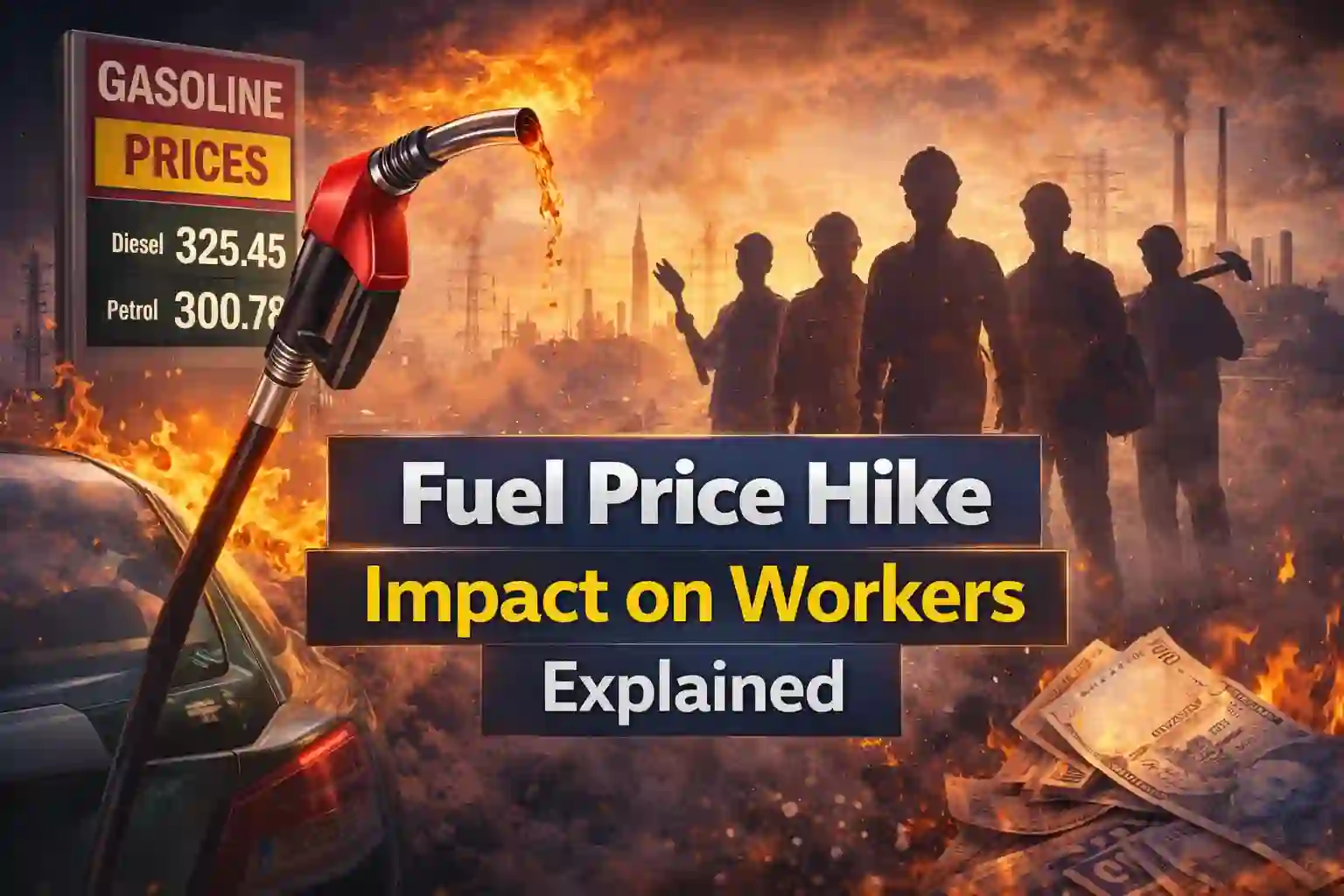
ToggleThe petrol price April 2026 has become one of the biggest economic challenges for workers in Pakistan. As of now, the petrol price in Pakistan today 2026 has reached Rs. 458.51 per litre, while diesel is at Rs. 520.35 per litre. This sharp fuel price hike is not just increasing transport costs, it is directly affecting salaries, job stability, and the daily lives of millions of workers.
From office employees to factory workers and delivery riders, everyone is feeling the pressure. In this detailed analysis, we will explain how the petrol price increase 2026 is impacting workers across Pakistan.
Petrol Price April 2026 – Latest Update
The latest fuel rates show a continuous upward trend:
- Petrol: Rs. 458.51 per litre
- Diesel: Rs. 520.35 per litre
This petrol price in Pakistan today increase is linked to global oil prices, currency depreciation, and government policies. For workers, this means higher daily expenses without a matching increase in income.

Why Fuel Price Matters for Workers
Fuel is not just used for vehicles. It plays a central role in the entire economy.
When petrol prices increase:
- Transportation becomes expensive
- Goods become costly
- Businesses face higher expenses
- Salaries lose value
This is why the fuel price hike impact on workers is so significant.

Direct Impact on Workers’ Daily Expenses
Increased Travel Cost
Most workers in Pakistan rely on bikes or public transport. With petrol prices rising, daily commuting costs have increased significantly.
Monthly Petrol Expense Example
- Daily usage: 1 litre
- Monthly usage: 30 litres
- Petrol price: Rs. 458.51
👉 Monthly cost = Rs. 13,755
For workers earning Rs. 30,000 to Rs. 50,000, this is a major portion of their income.

Salary vs Expenses – The Real Problem
The biggest issue is that salaries are not increasing at the same rate as fuel prices.
Salary Situation:
- Most workers have fixed income
- Annual increments are limited
- Many companies delay salary increases
Expense Situation:
- Fuel costs rising
- Food prices increasing
- Utility bills going up
👉 Result: Reduced purchasing power
This is one of the biggest effects of the petrol price increase 2026.
Impact on Different Types of Workers
Office Workers
Office employees face daily commuting costs that are much higher than before. Many now spend a large portion of their salary on fuel alone.
Factory Workers
Industrial workers often travel long distances. Increased petrol or transport fares make it harder to manage expenses.
Delivery Riders
Delivery riders are among the most affected. Their income depends on the number of deliveries, but fuel costs reduce their profits.
Daily Wage Workers
These workers face the highest risk. Their income is fixed, but expenses keep increasing, making it difficult to survive.
Indirect Impact on Workers
The petrol price April 2026 analysis shows that workers are also affected indirectly.
Transport Fare Increase
Public transport fares increase when diesel prices go up.
Food Price Inflation
Fuel cost increases transportation cost of goods, leading to higher grocery prices.
Rent and Utility Costs
Inflation caused by fuel price increases also affects rent and utility bills.
Business Impact and Job Security
The petrol price hike also affects businesses, which in turn affects workers.
Increased Business Costs
Companies spend more on transport and operations.
Hiring Slowdown
Businesses reduce hiring to control expenses.
Job Cuts
Some companies may reduce staff to survive rising costs.
Reduced Benefits
Bonuses and allowances may be reduced or delayed.
👉 This shows how fuel prices impact not just expenses but also job security.
Real-Life Financial Pressure Example
Let’s consider a worker earning Rs. 40,000 per month:
- Petrol expense: Rs. 13,755
- Food & groceries: Rs. 15,000+
- Utilities: Rs. 5,000+
👉 Total basic expenses = Rs. 33,000+
This leaves very little for savings or emergencies.
Inflation and Petrol Prices
Fuel prices are a major driver of inflation in Pakistan.
When petrol prices increase:
- Transport cost increases
- Production cost increases
- Product prices increase
- Inflation rises
This creates a cycle where workers continue to struggle financially.
How Workers Are Coping with Fuel Price Increase
Due to the petrol price in Pakistan today increase, workers are adopting new strategies.
Reducing Travel
Many people avoid unnecessary trips.
Switching to Bikes
Car users are shifting to bikes to reduce fuel cost.
Ride Sharing
Sharing rides with colleagues helps reduce expenses.
Budget Adjustments
Workers are cutting down on non-essential spending.
Government Response and Challenges
The government is under pressure to provide relief.
Possible Measures:
- Reducing fuel taxes
- Providing subsidies
- Improving public transport
However, due to economic challenges, immediate relief is difficult.
Future Outlook for Workers in 2026
Looking ahead, the situation depends on several factors:
- Global oil prices
- Exchange rate stability
- Government policies
Possible Trends:
- Fuel prices may remain high
- Salary growth may remain slow
- Job market may become more competitive
Long-Term Impact on Workers
If fuel prices continue to rise:
- Savings will decrease
- Financial stress will increase
- Living standards may decline
- Job satisfaction may reduce
The fuel price hike impact on workers is likely to continue in the coming months.
Tips for Workers to Manage Fuel Costs
Plan Your Travel
Combine tasks to reduce trips.
Maintain Your Vehicle
Better maintenance improves fuel efficiency.
Use Public Transport
When possible, use cheaper alternatives.
Increase Income Sources
Freelancing or part-time work can help manage expenses.
Public Reaction in Pakistan
The public is increasingly concerned about:
- Rising petrol prices
- Increasing inflation
- Lack of salary growth
Fuel prices have become one of the most discussed issues in Pakistan.
Final Words – Fuel Price Hike Impact on Workers Pakistan April 2026
The fuel price hike impact on workers – petrol price April 2026 analysis clearly shows how rising fuel costs are affecting daily life in Pakistan. With petrol at Rs. 458.51 per litre, workers are spending a significant portion of their income on transportation.
At the same time, salaries are not increasing at the same pace, creating financial pressure for millions of people. From reduced savings to increased stress, the impact is visible across all sectors.
In this situation, workers must manage their expenses carefully, while policymakers need to focus on long-term solutions. Until fuel prices stabilize, the economic pressure on workers in Pakistan is expected to continue.